


Few stores, carefully chosen.
Our investment criteria: established revenue, a solid gross margin, proven profitability and stable results. Tickets from €50k to €1M, with payback in about three years.
The fund's operator: every store is run end to end — operations, acquisition, SEO, customer service, logistics.
















What an established store is.
An established store is a direct-to-consumer online business that has been trading for several financial years. It has a catalogue, a customer base, existing traffic and accounts that allow its profitability to be verified. The fund does not bet on potential: it buys an existing cash flow.
The typical profile generates €300 – 400k in annual revenue, with a net margin close to 28%. The acquisition ticket ranges from €50k to €1M per store. The core criterion is simple: the store's profits must allow the purchase price to be recovered in about three years.
Stores are acquired directly from their founders, off-market or through a network of partners specialising in the sale of e-commerce sites. Every deal goes through a full audit, led by operators, before any firm offer is made.
The stores selected belong to durable, growing consumer themes: home, beauty, pets, soft mobility, green, wellness, garden, sport & outdoor. The fund does not invest in apparel.
Everyday products.
Catalogues rooted in everyday consumption, in growing categories.



Everyday products.
Catalogues rooted in everyday consumption, in growing categories.
Five criteria, applied to every deal.
Each store is chosen for what it has already demonstrated, not for what it promises.
An established level of sales, consistent with the typical €300 – 400k annual profile, verified in the store's own tools and reconciled with cash receipts.
A healthy gap between selling price and cost of goods, leaving room to fund customer acquisition, logistics and management.
A real, recurring net margin close to the typical 28% profile, not a one-off result or one achieved by deferring necessary spending.
Steady month-to-month sales, returning customers and diversified traffic sources rather than reliance on a single channel.
A purchase price that the store's profits can recover in about three years, paid in cash, with no leverage.
A business that TakeMyShop can take over and run immediately, with its teams, tools and suppliers.
Five audits before every acquisition.
After the pre-audit, every shortlisted deal goes through full due diligence, led by operators and by the fund's panel of advisors.
Review of several years of accounts, reconciliation of reported revenue with cash receipts and payment-platform statements. Adjustment for non-recurring items and review of working capital needs.
Traffic split by channel, customer acquisition cost, share of repeat customers, seasonality. A store overly reliant on a single paid channel is ruled out or priced accordingly.
Rankings on key searches, visibility history, technical quality of the site and content, link profile. Organic search is the most durable source of traffic: its condition weighs on the decision.
Supplier identification, commercial terms, lead times, any dependence on a single supplier, product quality and return rates. TakeMyShop checks it can take over these relationships without disruption.
Ownership of the domain name, brand and content, ongoing contracts, compliance of terms of sale and customer data handling, absence of disputes. The sale documentation secures these points.
Businesses that run every day.
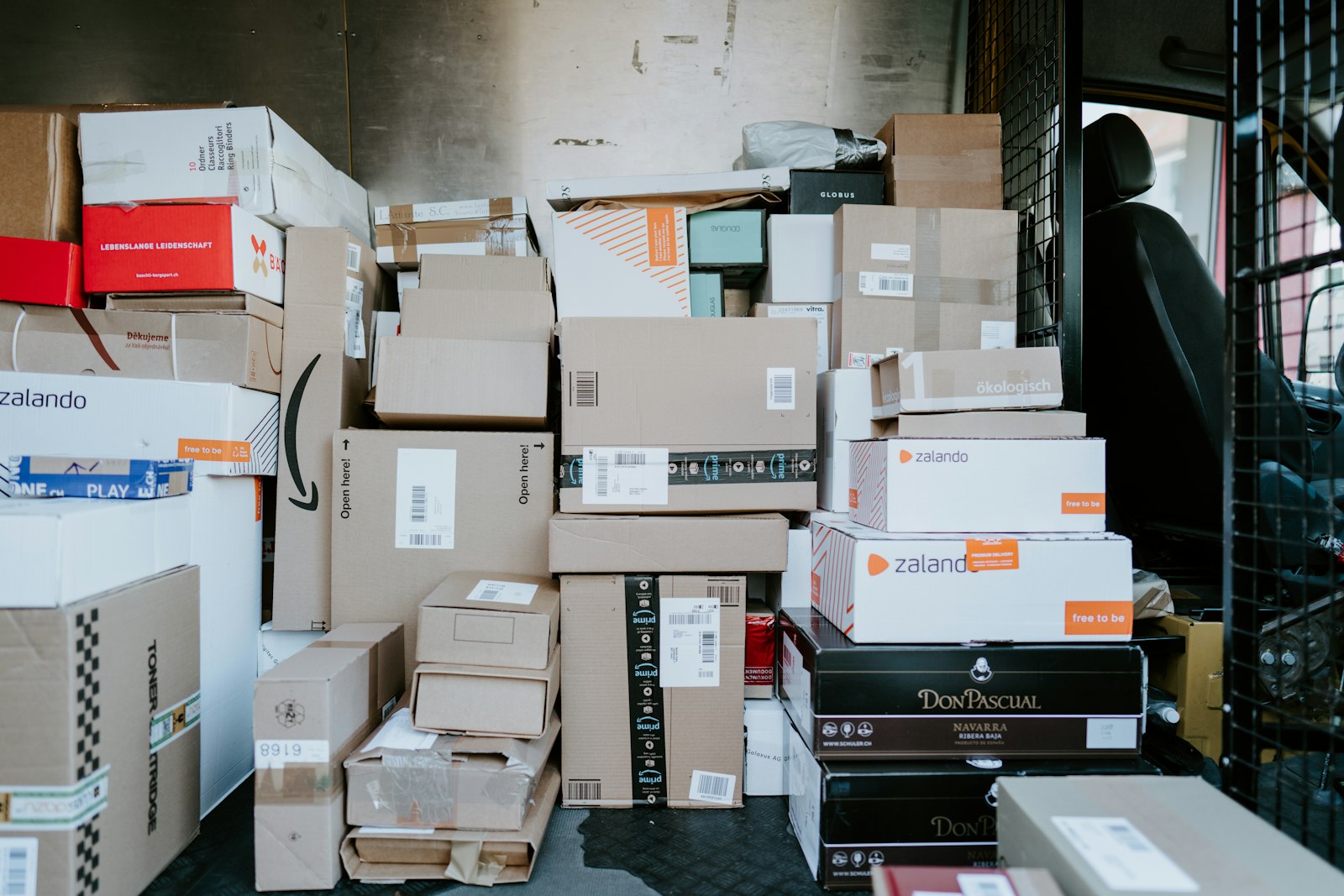
A store in the portfolio means a website, a catalogue, suppliers, stock or drop-shipped goods, customer service and orders going out every day. The fund holds full ownership of it.
TakeMyShop runs it all with tools and processes shared across more than one hundred stores. Each store's metrics, sales, margin, traffic, delivery times and returns, are tracked continuously and benchmarked against the rest of the portfolio.
- —Full ownership of the assets
- —Shared processes
- —Metrics comparable from one store to the next
What TakeMyShop does, every day.
The fund owns the stores; TakeMyShop runs them end to end. The investor never has to step in.
Catalogue, pricing, suppliers, tools and daily monitoring of key metrics. Teams and processes are shared across more than one hundred stores already under management.
Managing the channels that bring visitors and buyers, with regular tracking of their cost and profitability.
Ongoing work on the store's organic visibility in search engines, the most durable source of traffic.
Handling enquiries, order tracking and returns. Satisfied customers come back and recommend the store.
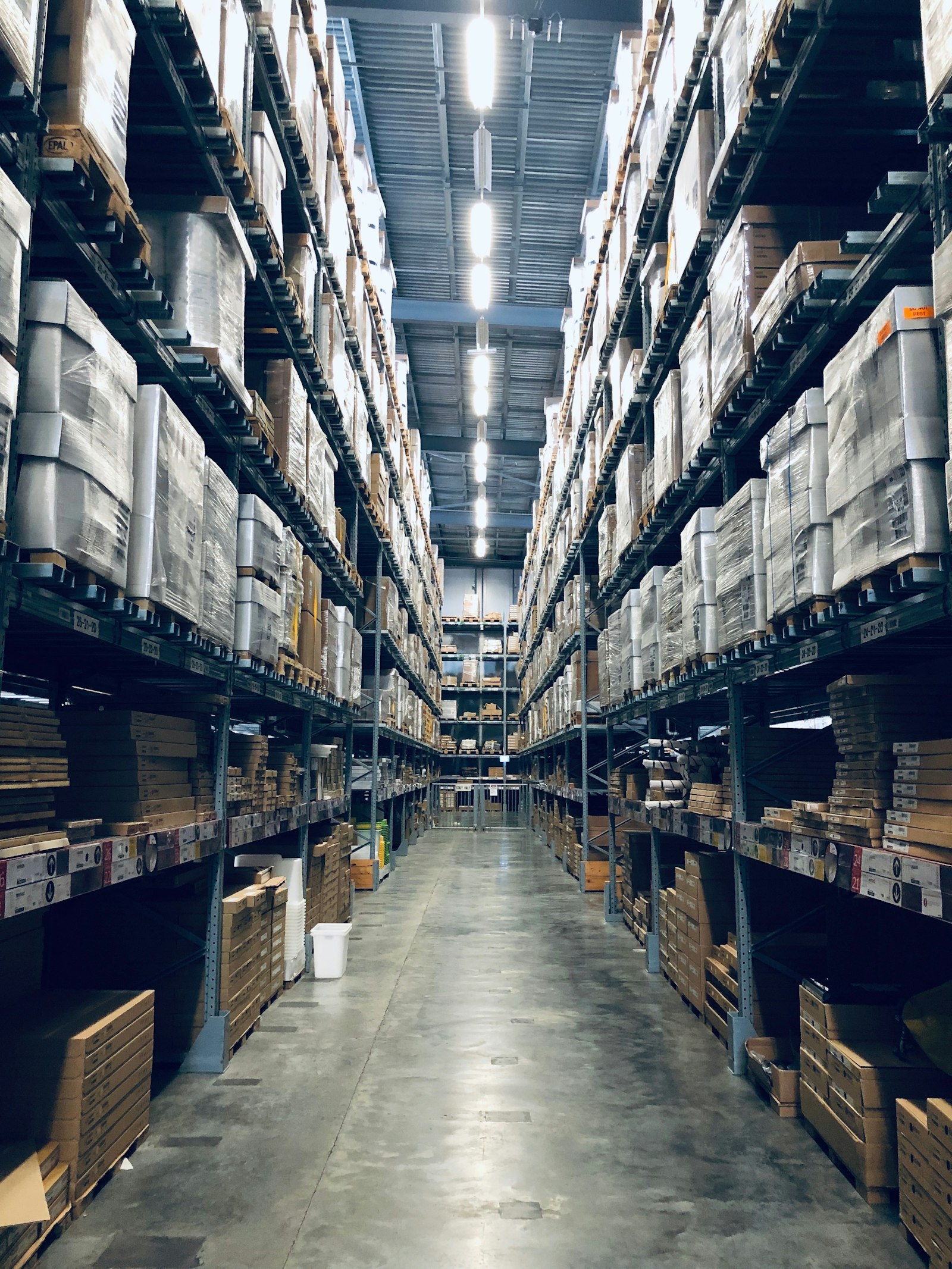
Coordinating suppliers, inventory and carriers so that every order arrives as promised.
The stores' logistics.


The stores' logistics.
Continuity from day one.
The seller hands over a store that keeps running. This is a decisive argument in negotiations, and a protection for the fund.
Signature and payment in cash. The store becomes the property of the fund, 100% owned.
TakeMyShop takes charge of operations, access, supplier accounts and payment methods from the day after the sale. The seller remains available to support the transition.
Integration into the portfolio's shared tools, dashboards and processes. Securing access, back-ups and a review of ongoing contracts.
A shared diagnosis and roadmap: SEO, conversion, average basket, supplier terms. Levers are prioritised by their expected effect on margin.
Day-to-day management, monthly metric tracking and reporting to the fund for the half-yearly report.
The profits generated by the store feed the annual dividend paid to investors.

How a store produces the dividend.
The established pocket's return does not depend on selling at the right time. It comes from the sales each store makes to its customers every day.
Revenue first covers the cost of running the business. The operator, TakeMyShop together with Lucrazia, is paid 15% of revenue: its fee grows when sales grow. The remaining profit flows up to the fund, which distributes most of it as an annual dividend.
In year one, acquisitions are spread out and not every store contributes over a full financial year: the pocket targets 12%. From year two, it targets 15% per year, without relying on the creation pocket.
- —Sales to customers, not exposure to financial markets
- —An operator paid 15% of revenue, aligned with performance
- —A dividend paid to investors every year
A steady foundation, year after year.
Projected annual dividend of the established pocket, Y1 to Y5.
Fund model projection, non-binding.
What protects the established pocket.
Several stores, several consumer themes, several suppliers and acquisition channels: no single store carries the return on its own.
A price recoverable in about three years leaves a safety margin if a store slows down.
Acquisitions are paid in cash. No debt weighs on the dividend or forces a rushed sale.
Monthly metrics benchmarked against the portfolio make it possible to spot a drift early and act.
You cash in, we handle the rest.

How we find and audit every store.
Direct and off-market acquisition and a partner network, a pre-audit by operators and a six-step process, from first contact to takeover.
The figures shown (typical revenue, margin, ticket, payback) describe a target store profile; every asset has its own characteristics. A store remains exposed to changes in demand, acquisition channels and suppliers. The returns mentioned are targets, not guarantees. Risk of total or partial loss of capital.