
The Breakwater Fund, on one page.
One vehicle, three commitments: recurring dividends, preserved capital, assets wholly owned. Breakwater invests in profitable e-commerce stores, run by TakeMyShop, and targets an annual dividend of 15% from year two onwards.
An income fund, backed by the real economy.
Breakwater Capital is a French simplified joint-stock company (SAS) with variable capital. It acquires online stores that are already profitable, builds new ones in uncrowded niches, and distributes the profits these assets generate to investors every year.
The fund holds no listed shares and no bonds. Its income comes from customers buying everyday products: home, beauty, pets, sport and outdoor, wellness, soft mobility, eco-friendly products. It follows everyday consumption, not stock prices.
All day-to-day management is delegated to TakeMyShop, which already runs more than one hundred stores across Europe. The investor never has to step in. They receive an annual dividend, targeted at 15% from year two onwards, with upside potential once the portfolio reaches full run-rate.
The fund is governed like an institutional vehicle: an investment committee decides on every acquisition, an audit committee oversees the accounts and the valuation, and half-yearly reporting keeps shareholders informed of the portfolio. Investment, distribution and exit rules are written into the articles of association and the shareholders' agreement.
The fund, in four figures.
Targets are not guaranteed. Projections are non-binding.
What the fund sets out to deliver.
Three principles shape every investment decision, from the acquisition of a store to the payment of the dividend.
The fund targets an annual dividend of 15% from year two onwards, with upside potential once the portfolio is at full run-rate. It is paid every year, out of the stores' profits: Breakwater is one of the very few funds to distribute a dividend every year.
Returns come from income distributed every year, not from a bet on reselling the assets. Performance does not depend on finding a buyer at the right time, and acquisitions are made in cash, with no leverage.
The fund acquires the stores themselves, not minority stakes. It holds full ownership — brand, domain name, content, customer data, supplier accounts — and TakeMyShop runs them end to end.
Stores for everyday life.
The portfolio is built around products that customers buy again, maintain or replace, whatever the mood of the financial markets.


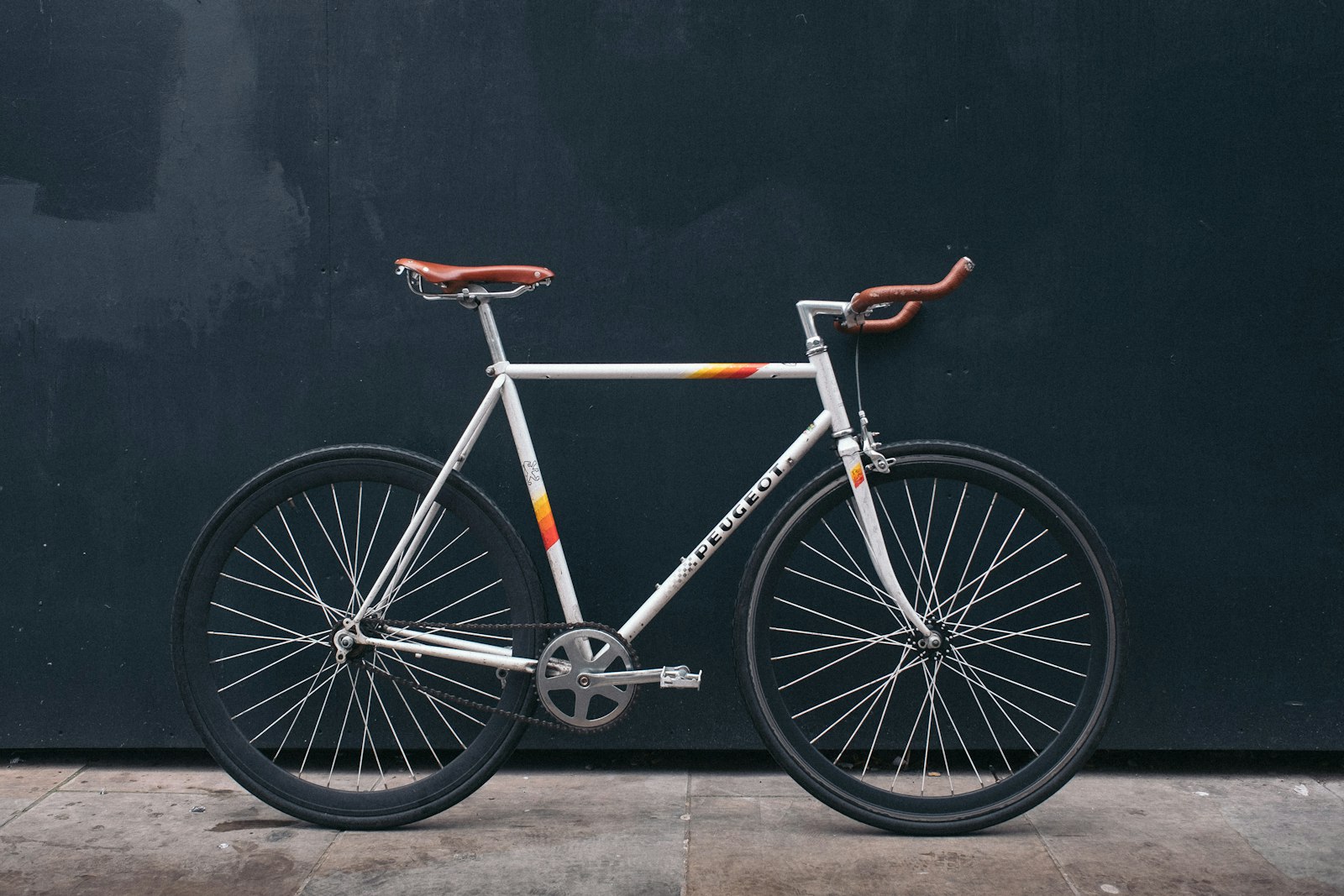
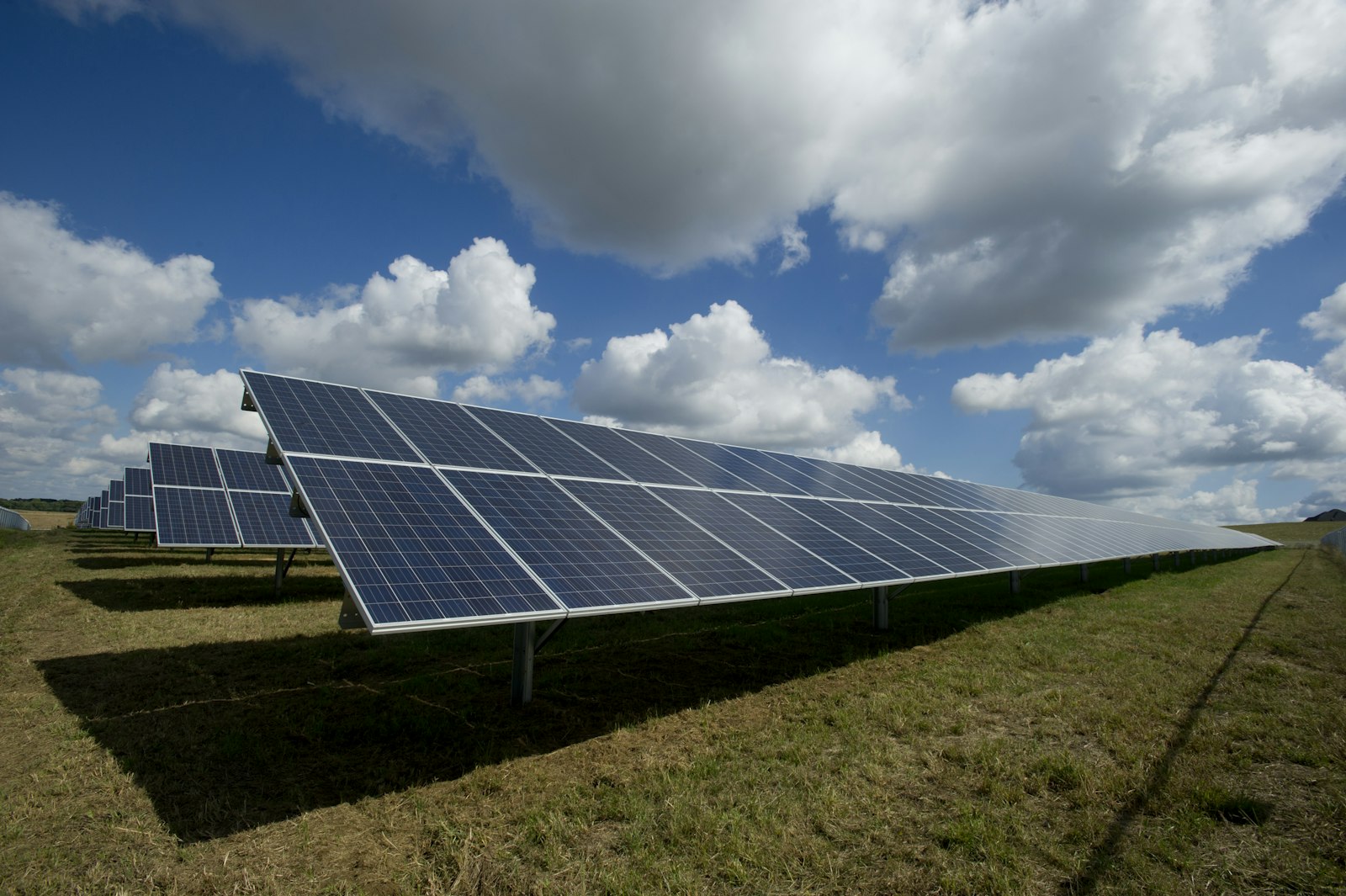
Stores for everyday life.
The portfolio is built around products that customers buy again, maintain or replace, whatever the mood of the financial markets.
Three reasons to invest in e-commerce.
Breakwater rests on three convictions, each one verifiable and measurable.
A store's revenue depends on its customers and its search ranking, not on market valuations. When stock markets turn rough, everyday purchases carry on.
Many sellers, few structured buyers: stores change hands at 2 to 2.5× EBITDA, versus 8 to 12× in private equity. A large part of the return is locked in at the entry price.
Two thirds of the fund in already profitable stores for the recurring dividend; one third in building niche stores, where a few successes are enough to create the upside.
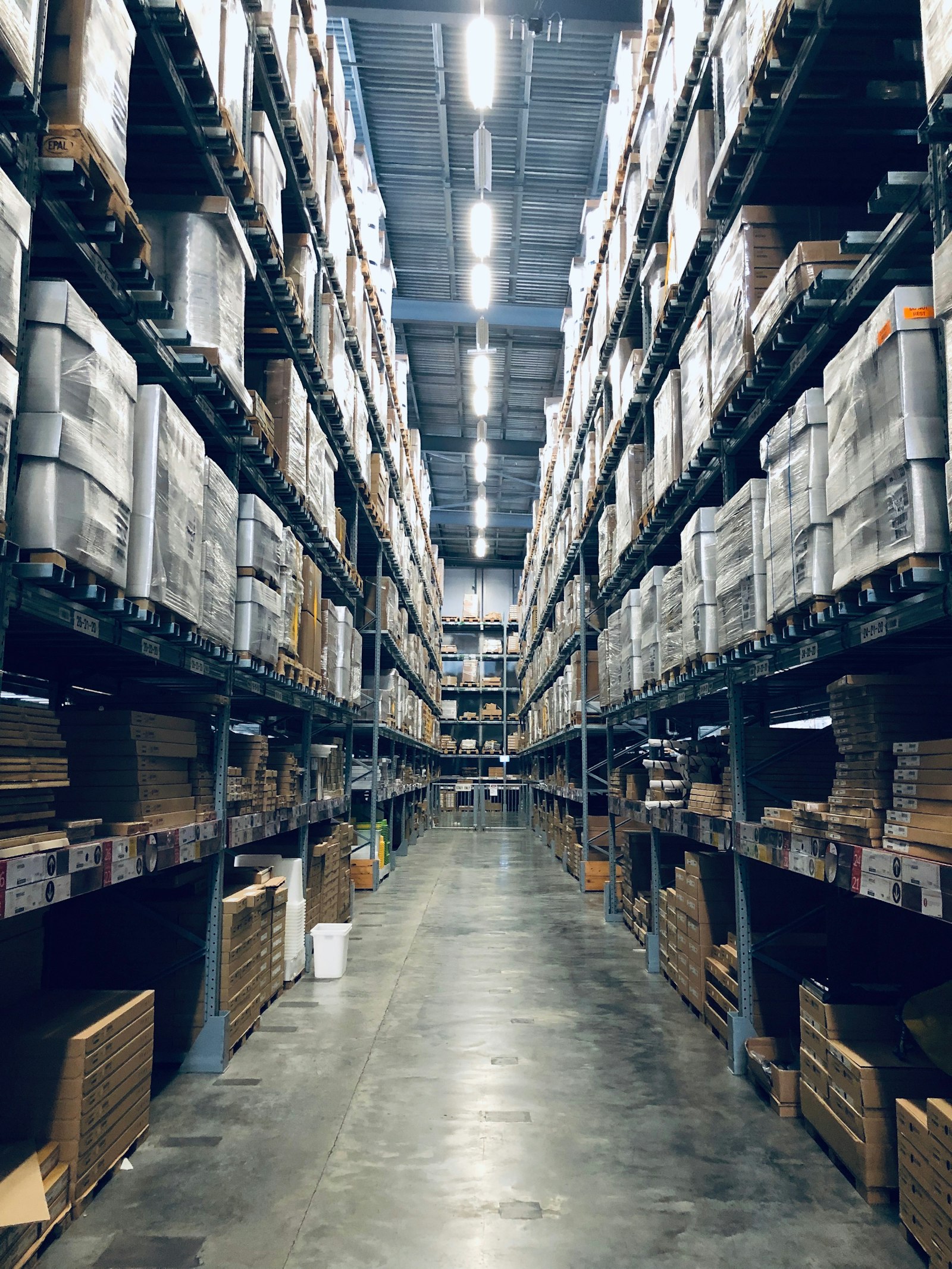
A short chain, clear from end to end.
Investors subscribe to the fund. The fund acquires or builds stores, which it owns outright. TakeMyShop and Lucrazia run them under a management mandate. Profits flow back to the fund, which distributes them every year.
Established stores are acquired directly, off-market and through a network of partners. Niche stores are built by Lucrazia. In both cases, every asset is identified, audited and integrated through a single process.
Every level pulls in the same direction as the investor. The operator is paid 15% of revenue, so it earns more when the stores perform. The manager's carried interest only applies above a minimum return of 8%.
- —Cash acquisitions, with no leverage
- —Portfolio of ⅔ established stores, ⅓ niche creation
- —TakeMyShop takes over operations from day one
- —Annual dividend distribution, half-yearly reporting
Many files, few acquisitions.
Every store the fund acquires has passed five successive stages. At each stage, most files are set aside: only those meeting all the investment criteria reach the committee.
Indicative volumes are provided in the data room.
Five disciplines, practised continuously.
The fund does not buy and wait: every store is followed from the day it is identified until the end of its holding period, by the same teams and with the same methods.
A continuous search for profitable stores: direct approaches to founders, off-market deals, a network of partners and approved brokers. For the creation pocket, niches are identified by Lucrazia.
A TakeMyShop pre-audit, then a business audit led by operators: accounts, margin, revenue stability, suppliers and traffic sources are all checked.
Letter of intent, investment committee approval, legal documentation and all-cash closing. The fund acquires full ownership of the assets.
Transfer of access, supplier accounts and content; takeover of customer service and logistics; alignment with the portfolio's management standards.
Day-to-day operations, customer acquisition, SEO, customer service and logistics, with monthly monitoring of indicators and half-yearly reporting to shareholders.
Assets that are actually run.
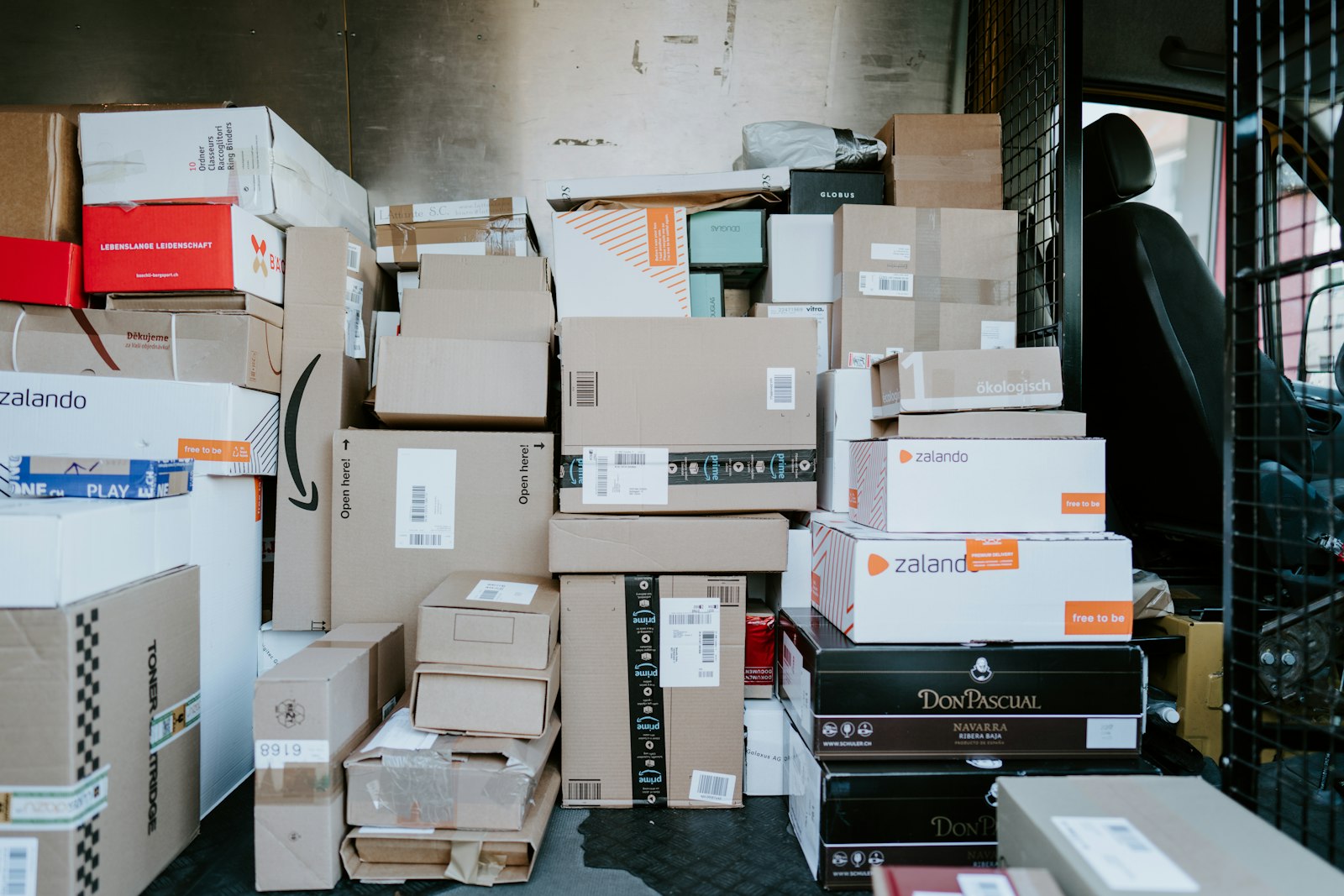
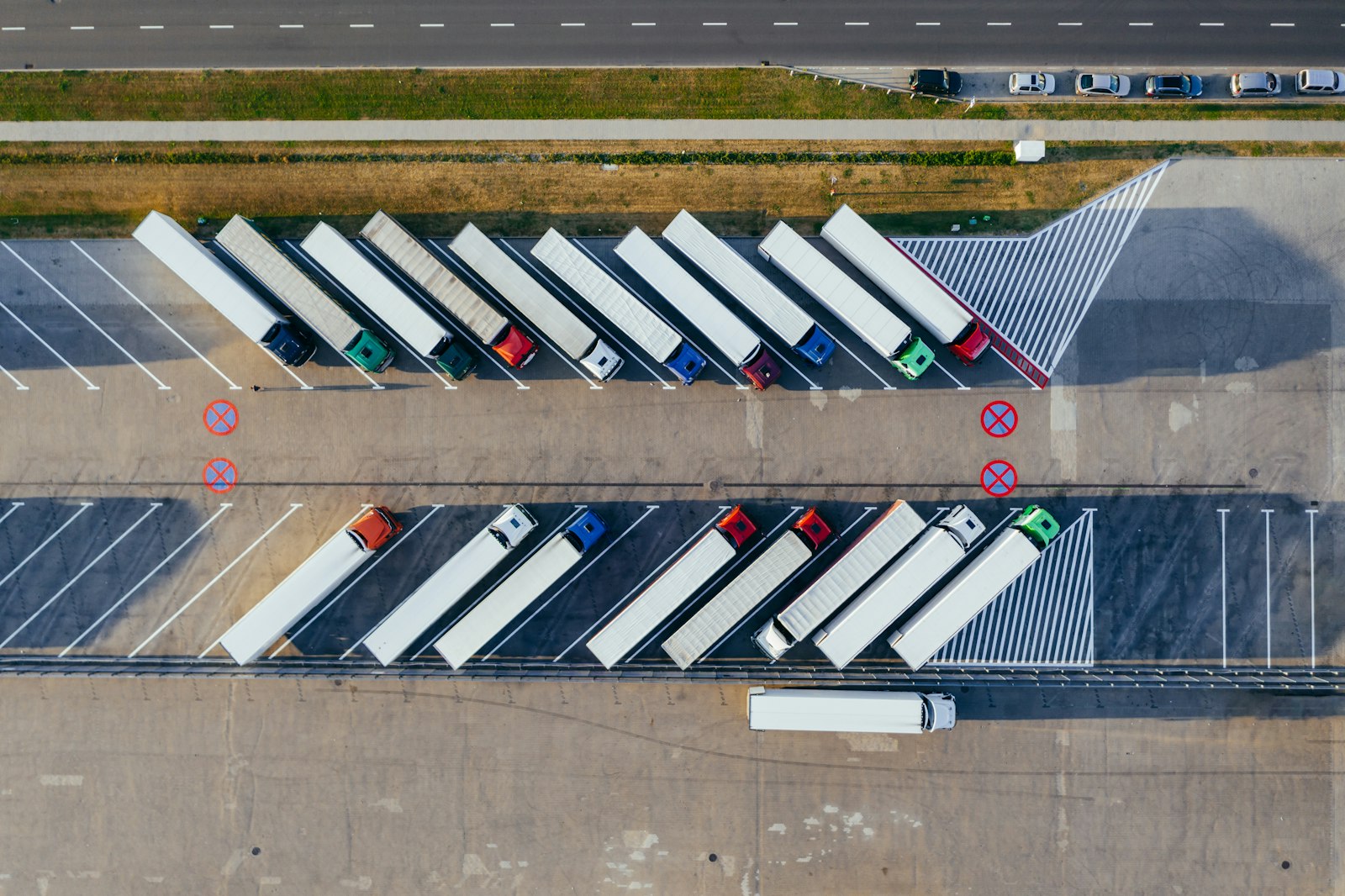
Behind every store lies a physical chain: stock, picking, packing, shipping. This work, pooled by TakeMyShop, is what turns revenue into a dividend.
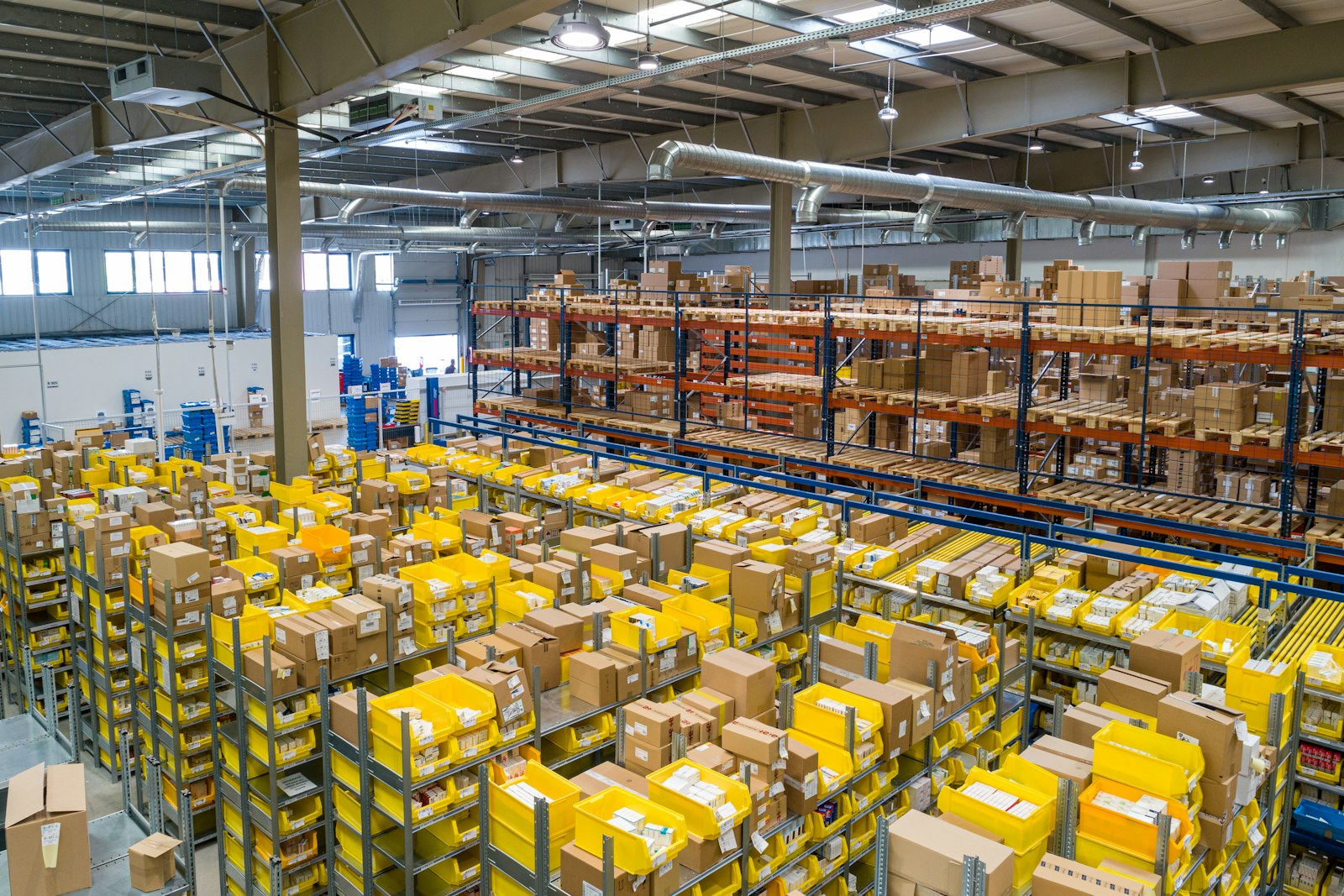
Assets that are actually run.
Behind every store lies a physical chain: stock, picking, packing, shipping. This work, pooled by TakeMyShop, is what turns revenue into a dividend.
Ten years, three phases.
The fund has a 10-year term. Its life falls into three stages, whose precise timetable is governed by the articles of association.
Capital is invested according to the ⅔ established, ⅓ creation rule. Established stores distribute from acquisition; niche sites build their search ranking. In the projection, the fund's dividend reaches 15% from year two onwards.
The portfolio is in place. The creation pocket contributes fully and the dividend settles around 20% in the projection (from Y4). The investment committee rebalances, sells or replaces assets whose indicators deteriorate.
As the term approaches, the stores are sold in an orderly way, to trade or financial buyers. Sale proceeds are returned to shareholders, after the hurdle and carried interest are applied.
Decisions that are collective and controlled.
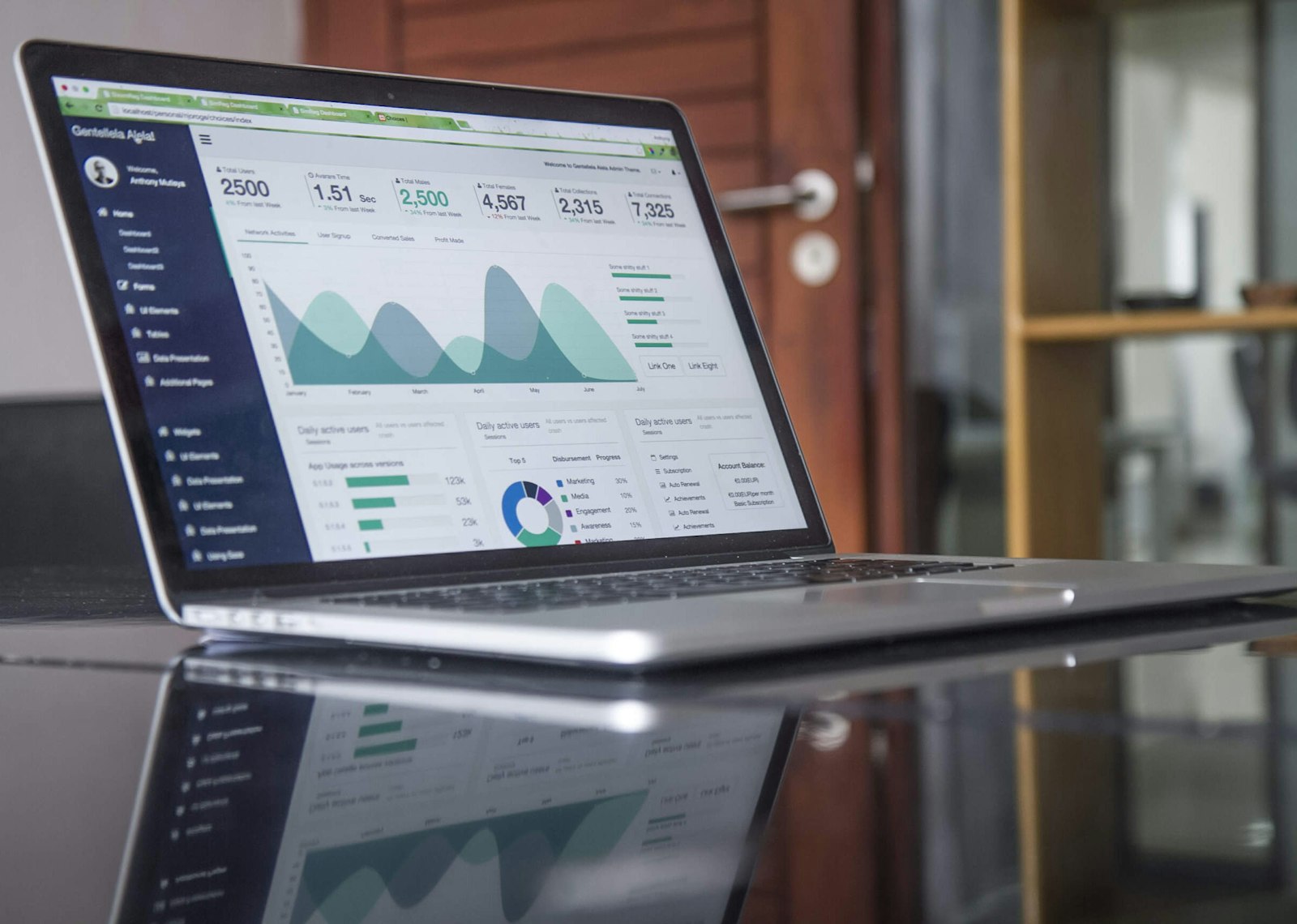
No acquisition goes ahead without the approval of the investment committee. It reviews the audit file, the proposed price, the asset's place in the portfolio and compliance with concentration limits, then approves or rejects the offer.
An audit committee, independent of day-to-day management, oversees the fund's accounts, the valuation of the assets and compliance with the investment policy. It reviews every report before it goes out to shareholders.
Twice a year, half-yearly reporting presents the stores' revenue, margin and profitability, acquisitions and disposals over the period, the portfolio valuation and upcoming dividends.
- —Investment committee: every acquisition and disposal
- —Audit committee: accounts, valuation, compliance
- —Half-yearly reporting to shareholders
- —Articles and shareholders' agreement in the data room
A single asset exposes, a portfolio protects.
Owning one store means concentrating every risk on a single asset. Breakwater pools both the risk and the expertise.
| Buying a single store | Breakwater | |
|---|---|---|
| Diversification | One asset, one sector | Established stores and hundreds of niche sites, across several sectors |
| Management | Borne by the buyer | Fully delegated to TakeMyShop |
| Sourcing | Case by case | Direct, off-market and partner network, with a systematic pre-audit |
| Decision-making | Individual | Investment committee, overseen by an audit committee |
| Returns | Exposed to the asset's risks | Smoothed across the portfolio, paid out every year |
| Information | Whatever the seller provides | Half-yearly reporting, valuation reviewed periodically |
| Involvement | Daily | None |
Who can invest?
Qualified or professional investors as defined by AMF regulations. The minimum ticket is €100k for an individual investing directly, and €250k through an SPV.
How is the dividend paid?
Once a year, out of the profits of the stores owned by the fund. It is targeted at 15% from year two onwards; in the first year, the portfolio is being built. These are targets, not guarantees.
How does the fund find its stores?
Through direct acquisition from founders, off-market deals and a network of partners. Every file goes through a pre-audit, a business audit and investment committee approval.
Can I exit before the end of the term?
The investment is illiquid, but liquidity is organised: up to 15% buyback, internal (by the fund) as well as external (sale to a third party), on the terms set by the articles of association and the shareholders' agreement.
How will I be kept informed?
Through half-yearly reporting: store performance, acquisitions and disposals, portfolio valuation and upcoming dividends. Legal documents are available in the data room.
A steady core, a dose of upside.
See how the portfolio combines established stores, which carry the dividend, with a multitude of small niche assets, which carry the upside potential.
For qualified or professional investors only (AMF definition). The investment carries a risk of total or partial loss of capital and limited liquidity. Returns mentioned are targets, not guarantees; projections are non-binding. Past performance is not a reliable indicator of future performance.